
Emilia-Romagna
9 province in Northeastern Italy
Emilia-Romagna is a regione in Northeastern Italy with 9 province and 330 comuni. Between 1876 and 2014, an estimated 1,261,361 people emigrated from Emilia-Romagna, peaking in 1906.
The birthplace of ragù alla bolognese and parmesan cheese and Parma ham and tortellini and… Emilia-Romagna is essentially Italy's heavy-cream-and-cured-meat capital. This northern region stretches across the Po valley from the Adriatic in the east to close to Milan in the west. It's famous within Italy both for its cuisine and for its artistic and intellectual powerhouses. Roughly halfway between Venice and Florence, Emilia-Romagna is sometimes missed by tourists but stands on equal footing with other well known regions in Italians' minds.
A Region in Two Halves
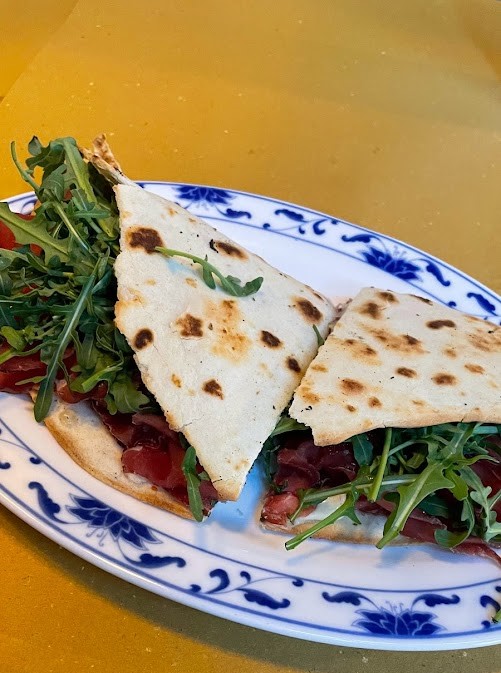
Modern Emilia-Romagna is the union of two historical areas. The western half, Emilia, shares its name with the Via Emilia, constructed by the ancient Romans and still used as a modern road today. Emilia is home to many famous Italian cities, including Bologna (the region's capoluogo), Parma, Modena, and Ferrara. It's a zone that is known for progressive beliefs and refined palates.
Romagna, the other half of the region, is home to a world-famous F1 track at Imola and boasts lovely resorts along the sea that bring tourists from across Europe. Not to be outdone by their emiliani neighbors, the romagnoli have delicious dishes of their own. One of the most famous is the piadina—think of a Mexican tortilla, but thicker and chewier. The piadina can come with many stuffings inside, but classically is served with Emilia-Romagna's famous prosciutto and cheese. Romagnoli are known to be warm and inviting people.
Industry, Politics, and a Few Famous Names
Historically, this region has leaned to the left politically. This grew out of its strong industrial growth, as workers demanded representation. Ferrari, Maserati, Ducati, and Lamborghini all have their roots and their headquarters in Emilia-Romagna. Bologna also claims the world's oldest university and is still today a major college town. On a darker note, Benito Mussolini, the founder of Italian fascism, was born in Romagna. In fact, his name, Benito, isn't Italian at all—his socialist parents named him after Benito Juárez, the first indigenous president of Mexico!
Culture
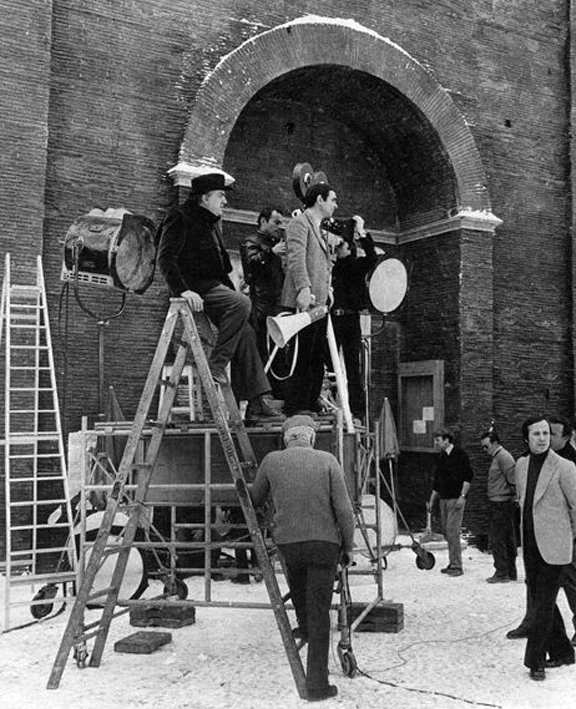
Culturally, Emilia-Romagna boasts some heavy hitters. Federico Fellini, one of the country's best known directors, was born in Rimini, along the waters of the Adriatic. Amarcord, his 1973 film, means "I remember" in romagnolo (in Italian, "mi ricordo"). The movie is a sort of love letter to the Rimini of his youth and all the colorful characters that populated it. The fog later in Amarcord is one of the most distinctive features of the Emilia-Romagna climate. If you visit during winter, you'll likely find that porticoes disappear into the white.
Emigration History
Annual emigration (espatriati) and returns (rimpatriati) from Emilia-Romagna, 1876 to 2014. Not all years have complete data, so gaps are normal.
54% of all recorded emigration from Emilia-Romagna occurred during the Grande Emigrazione (1876 to 1914). About 30% of emigrants eventually returned.
Total emigrants
1.26M
1876–2014
Return rate
30.1%
eventually returned
Notably, compared to neighboring Veneto (which hit 93,000 in one year) and Friuli (~50,000 peak), Emilia-Romagna emigrated at lower rates. This makes sense if you remember that the region has historically been more industrialized than other parts of the country. In fact, like many places in the north, a common migration story in Emilia-Romagna has been of southern Italians moving to the area for work. And in the past few decades, there have been many new immigrants from outside Italy to the country. If you stop by a school in Ferrara today, don't be surprised to see Chinese or Albanian names.
If you're searching for your family's history, all this means that it's a bit less likely that you'll find long roots in Emilia-Romagna. But it isn't impossible! And your family may have passed through the region on their way to a port. So if you're planning a trip to Italy, consider this part of the country that is sandwiched between some of the country's most famous cities. You may find that it's home to some of your favorite aspects of Italian culture.
UNESCO World Heritage Sites
Emilia-Romagna is home to 4 UNESCO World Heritage Sites.


Films
63 films set or shot in Emilia-Romagna.

Ferrari

Beyond the Clouds

Girl with a Suitcase

Don Camillo's Last Round

China is Near

Long Night in 1943

The River Girl

The Mill on the Po

Victory March

The President of Borgorosso Football Club

Piece of the Sky

Private Lessons
Province
Every regione is divided into province, each containing multiple comuni. Emilia-Romagna has 9. The regional capoluogo is Bologna.